What Is ADAS Calibration After a Collision, and Why You Need It
A crash, a new windshield, or a bumper R&I can knock your safety sensors out of aim. Here's what ADAS calibration is, when it's required, and why 'looks fine' isn't the same as calibrated.
ADAS calibration after collision is the process of realigning your vehicle’s cameras, radar, and driver-assist sensors back to the manufacturer’s exact specifications. A crash, a windshield swap, or even a bumper removal can nudge a sensor out of aim. Calibration confirms, with documented results, that your safety systems read the road correctly again.
What Is ADAS, and What Does Calibration Do?
ADAS stands for Advanced Driver Assistance Systems — the network of cameras, radar units, and sensors behind features like automatic emergency braking, lane keeping, blind-spot monitoring, and adaptive cruise control. Federal safety regulators at NHTSA actively promote technologies like automatic emergency braking and lane keeping, and automakers have made them standard on more and more vehicles.
Those systems are only as accurate as the sensors feeding them. A forward-facing camera reads lane lines and the car ahead; radar measures closing distance; corner sensors watch your blind spots. Calibration is the procedure that aims and verifies each sensor against the automaker’s published targets and tolerances, so the system acts on what is actually in front of you.
Why ADAS Calibration After a Collision Matters
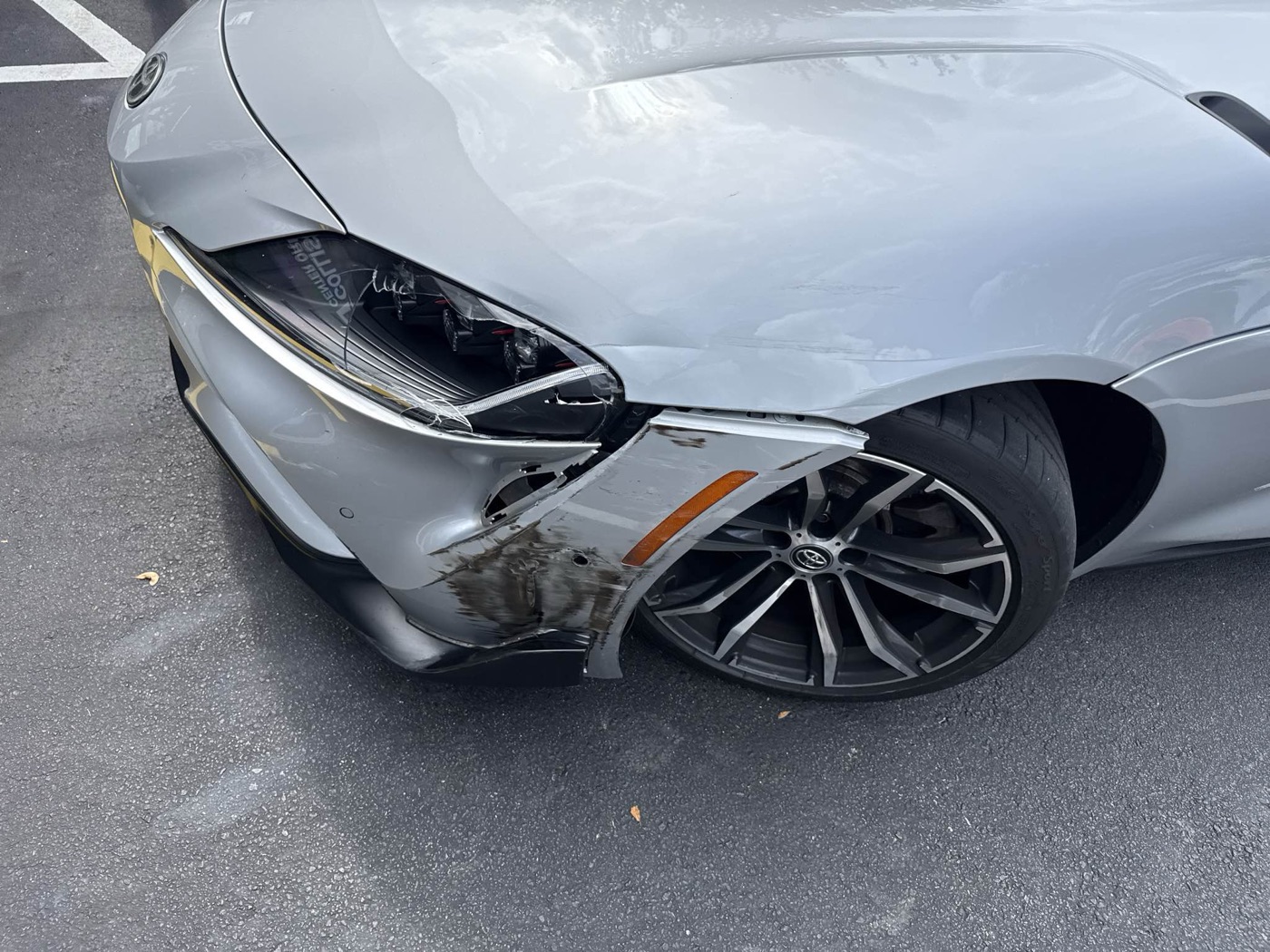
Here is the part most drivers never see: these sensors are precise enough that a shift of a fraction of a degree changes what the system “sees.” During a collision — or the repair that follows — a sensor rarely stays perfectly in place.
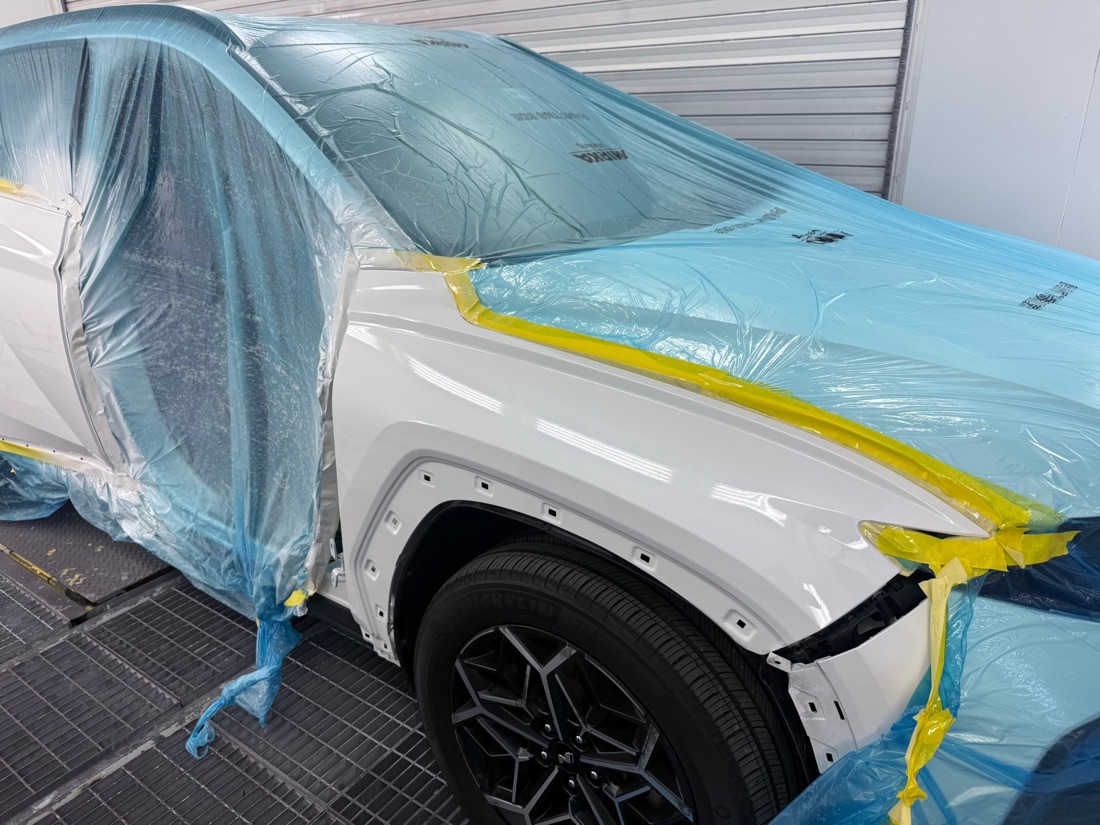
Think about where the hardware lives. The main camera is often bonded to the windshield. Radar sits behind the front bumper cover or grille. Other sensors ride in mirrors, quarter panels, and the rear bumper. Disturb any of those areas and the sensor’s aim can change, even when the panel looks straight.
Alignment matters too. Many forward cameras are aimed relative to the vehicle’s thrust line, so a wheel alignment or a change in ride height can put the camera’s aim out of spec. That is one reason calibration and precision wheel alignment work often go hand in hand after a repair.
Repairs That Commonly Trigger a Required Calibration
Calibration is not only for major crashes. Several routine operations move a sensor or change how the vehicle references the road. The table below shows the usual culprits.
| Repair or service | Sensor most affected | Why calibration is needed |
|---|---|---|
| Windshield replacement | Forward-facing camera | The camera is bonded to the glass, so new glass moves it |
| Front bumper or grille R&I | Front radar | Radar sits behind the bumper and shifts when it comes off |
| Wheel alignment | Forward camera | Camera aim is referenced to the vehicle’s thrust line |
| Suspension or ride-height change | Multiple sensors | Altered geometry changes what the sensors reference |
| Mirror or side-panel repair | Blind-spot / side cameras | Sensors mounted in those areas move during the work |
| Rear bumper repair | Rear radar / park sensors | Parking and cross-traffic sensors are disturbed |
Whenever collision repair work touches an area near a sensor, we check the manufacturer’s position statement to confirm whether a calibration is required before the car goes back on the road.
Static vs. Dynamic Calibration
There are two methods, and the automaker decides which one — or both — your vehicle needs. They are not interchangeable.
| Static calibration | Dynamic calibration | |
|---|---|---|
| Where it happens | In a controlled shop bay | On the road, driving the vehicle |
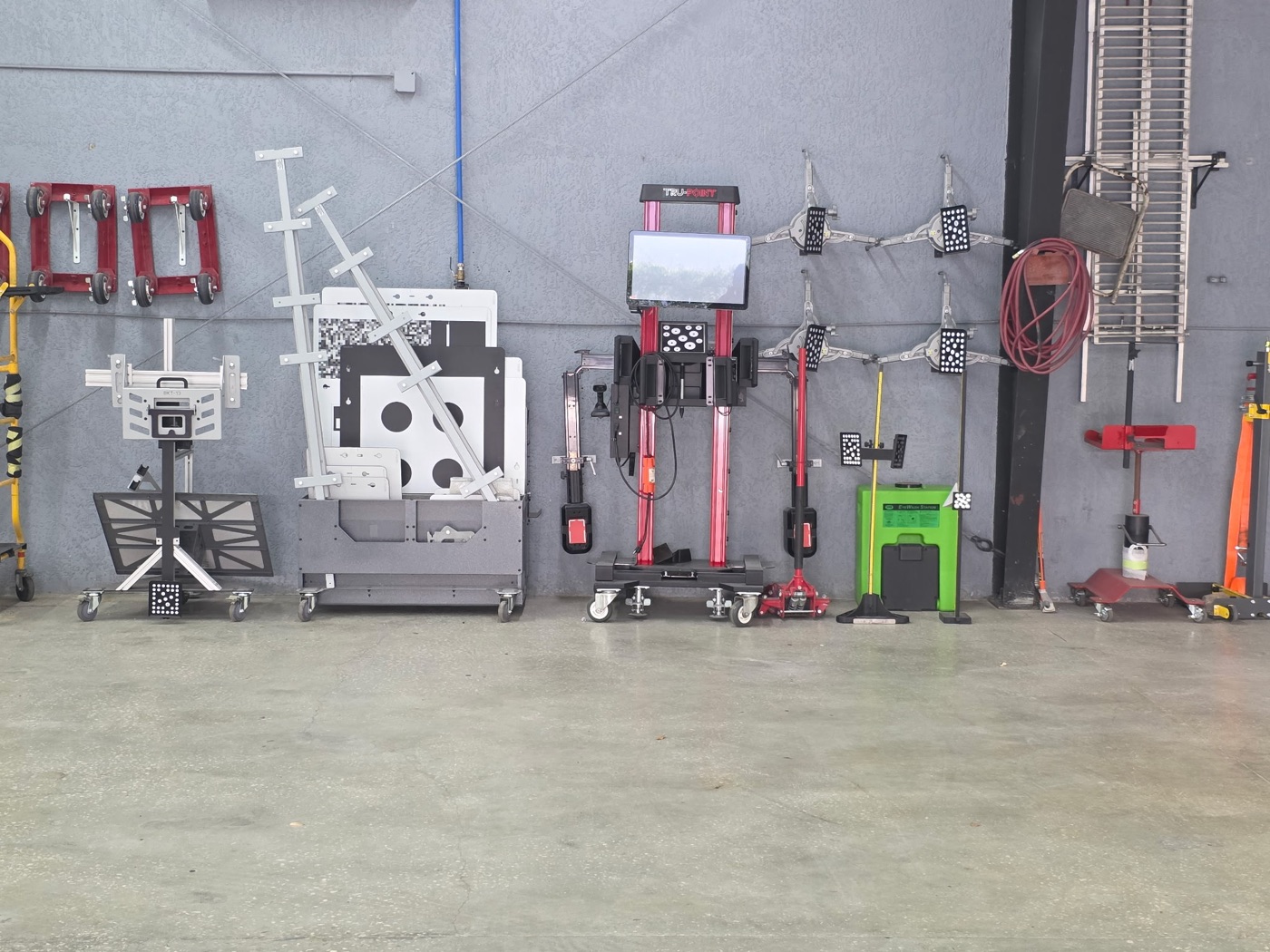
| How it works | Uses OEM targets at measured distances | Uses live driving to teach the sensor |
| What it requires | Level floor, correct lighting, precise spacing | Specific speeds, clear lane lines, right conditions |
| Common uses | Windshield cameras, many radar units | Some cameras and radar per the maker’s procedure |
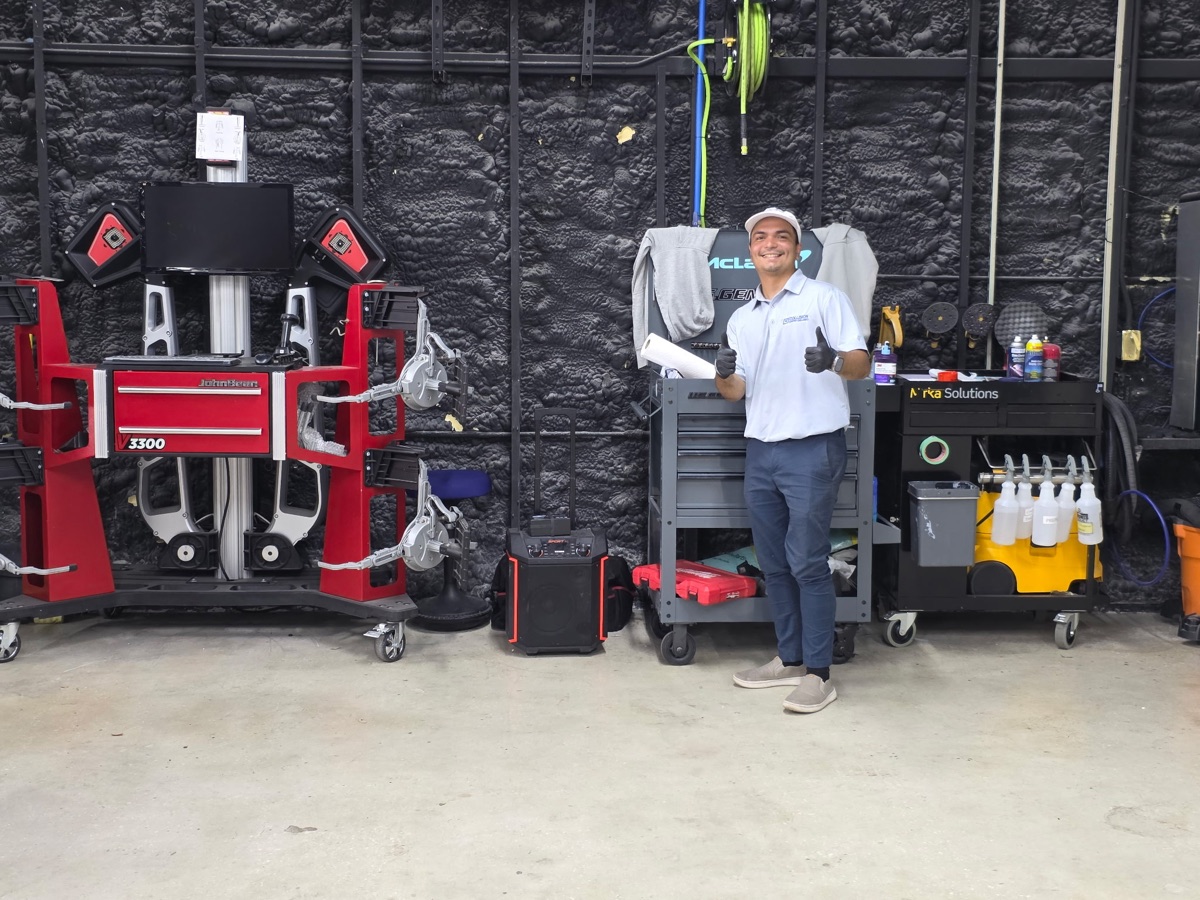
Some vehicles require a static calibration first, then a dynamic road procedure to finish. Getting this right takes the correct targets, the right equipment, and a properly set-up space — not a guess.
What a Proper ADAS Calibration Includes
A calibration is only meaningful if it follows the automaker’s documented procedure and ends with proof. Here is what a complete process looks like at our shop:
- Scan the vehicle to identify every ADAS system present and read any fault codes.
- Confirm the manufacturer’s position statement and the exact calibration requirements for that make and model.
- Prepare the vehicle and bay — correct tire pressures, level floor, measured target placement, and proper lighting.
- Perform the static calibration with OEM targets and specified spacing.
- Perform the dynamic (road) calibration where the manufacturer requires it, under the conditions it specifies.
- Verify that fault codes are cleared and every system reports ready.
- Document the results for your records and the repair file.
Following the automaker’s published targets and tolerances this way also helps protect your factory warranty and keeps the safety systems working the way they were engineered to.
”It Looks Fine” Is Not the Same as Calibrated
This is the single most important idea in the whole subject: you generally cannot tell a system is calibrated by looking at it. The vehicle can drive normally, show no warning light, and still have a camera or radar that is out of spec. That is exactly why automakers publish position statements requiring recalibration after specific repairs — the aim has to be measured and verified, not assumed.
Skipping it does not make the risk visible. It just hides an out-of-spec safety feature until the moment it matters. A proper repair treats calibration as a required step, documented and verified, and never as an afterthought.
Because calibration is tied to the rest of the repair, it also affects your timeline. If you want to know where it fits in the overall process, our guide on how long a collision repair takes walks through each stage.
Get Your Safety Systems Verified in Orlando
If your vehicle was in a collision, had glass replaced, or has a driver-assist warning light on, do not assume the sensors are still aimed correctly. Our ADAS calibration service recalibrates your cameras, radar, and sensors to OEM spec and documents the results — and our manufacturer certifications back the work. Call (321) 972-1549 or start your estimate online, and we will confirm your safety systems read the road the way they should.