How Long Does Collision Repair Take? A Realistic Stage-by-Stage Timeline
A straight answer on collision repair timing: the stages every job moves through, why a bumper takes days but structural work takes weeks, and what quietly adds time.
How long does collision repair take? Honestly, it depends on the damage: a minor bumper or fender repair may take a few days, while heavy structural work can run weeks. Timing hinges on hidden damage, parts availability, insurer approval, and required calibrations, not just the visible dents you can see on the surface.
That is the honest answer, and the rest of this guide explains why. Below is the full picture of how long collision repair takes, the stages every job moves through, and the specific things that quietly stretch a timeline.
The Real Collision Repair Timeline, Stage by Stage
Every repair, from a scuffed bumper to a rebuilt structure, moves through the same disciplined sequence. The difference in how long collision repair takes comes down to how much work each stage demands and how many outside factors, like parts and approvals, come into play.
Here is the ordered path your vehicle follows in our shop:
- Estimate and drop-off
- Teardown and blueprinting (full disassembly)
- Parts ordering and arrival
- Body and structural repair
- Paint and refinishing
- Reassembly
- ADAS and safety-system calibration
- Quality control inspection
- Delivery
Each of those stages has its own rhythm, and each has its own way of adding days.
What Happens at Each Stage, and What Can Add Time
The table below breaks down the process. Notice how many of the delays are outside the shop’s direct control, which is why an honest timeline is a range, not a promise.
| Stage | What happens | What can add time |
|---|---|---|
| Estimate | We document visible damage and write an initial repair plan | A first estimate only reflects what is visible; the real scope often grows |
| Teardown and blueprint | Panels come off so we can find hidden structural and mechanical damage | Hidden damage almost always means a supplement to the insurer |
| Parts | We order the exact parts your repair plan calls for | Backordered, specialty, or newer-model parts can ship slowly |
| Body and structural | We straighten, replace, and rebuild to factory dimensions | Structural work and multi-panel damage take far longer than a single dent |
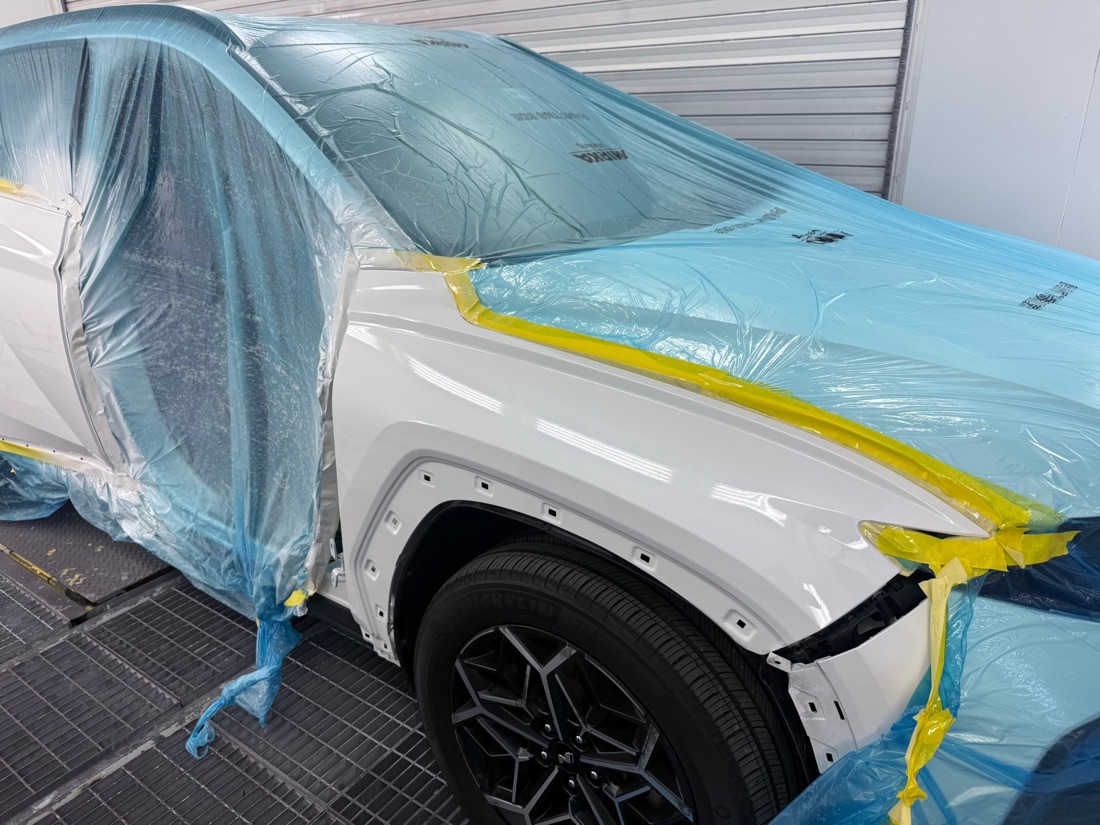
| Paint | Panels are prepped, primed, refinished, and color matched | Cure times, multi-stage finishes, and blending adjacent panels add hours |
| Reassembly | Trim, glass, sensors, and hardware go back on | A missing or wrong part discovered here stalls the whole stage |
| Calibration | Cameras, radar, and driver-assist sensors are recalibrated | Some systems require both static and road calibration |
| Quality control | Final fit, finish, and safety-system checks | Anything that fails inspection is corrected before delivery |
| Delivery | You pick up a vehicle restored to pre-loss condition | Final insurer sign-off can gate the release |
Why Hidden Damage Is the Biggest Wildcard
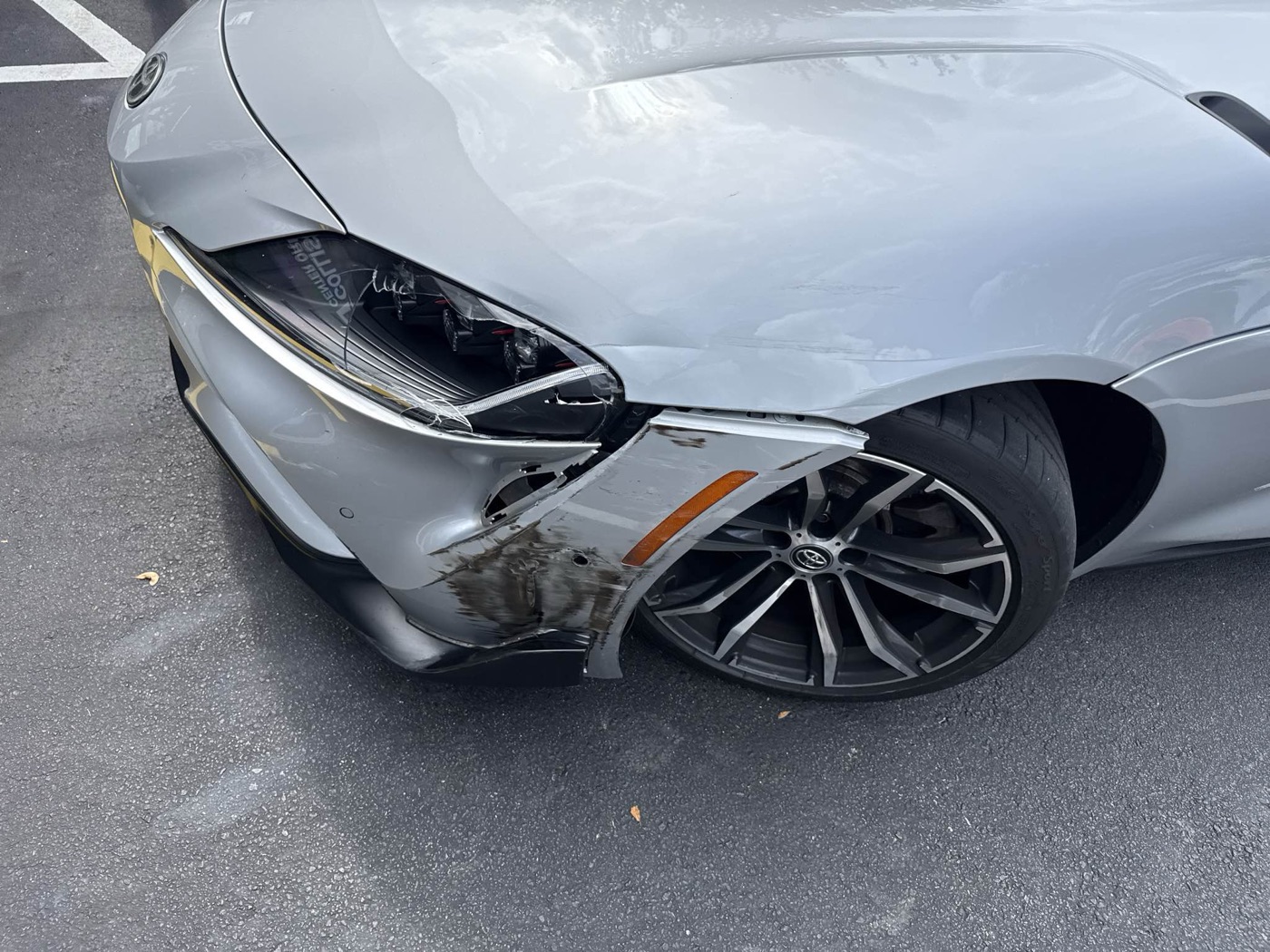
The single most common reason a repair runs longer than the first estimate is damage nobody could see at drop-off. A bumper cover can look like the only casualty, and then teardown reveals a bent reinforcement bar, a cracked bracket, or a displaced sensor behind it.
When our technicians blueprint a vehicle, we disassemble it and measure the structure against the manufacturer’s specifications. That is the step that turns a guess into a real repair plan. It is also the step that frequently uncovers the work that adds days. Our Orlando collision repair team documents every bit of that hidden damage so the plan reflects the true condition of your car, not just the dents on the outside.
How Insurance Approval Affects the Timeline
When teardown uncovers more damage, we send the insurer a supplement, a request to approve the added repairs and cost. Work on those items generally waits until the adjuster signs off, and how fast that happens varies by carrier and claim.
Florida law protects you here. Under Florida Statute 626.9743(3), an insurer that elects to repair a vehicle and requires a particular shop must have the vehicle “restored to its physical condition as to performance and appearance immediately prior to the loss at no additional cost to the insured or third-party claimant other than as stated in the policy.” A proper repair is your right, even when it takes a little longer to document and approve. We handle that paperwork for you through our insurance claim assistance, and you can read more about how the claims process works before you file.
Why Calibration Is Not an Optional Extra
Near the end of the process, many vehicles need their driver-assist systems recalibrated. If your car has automatic emergency braking, lane keeping, blind-spot monitoring, or adaptive cruise control, sensors disturbed during the repair have to be aimed correctly again before the car is safe to return.
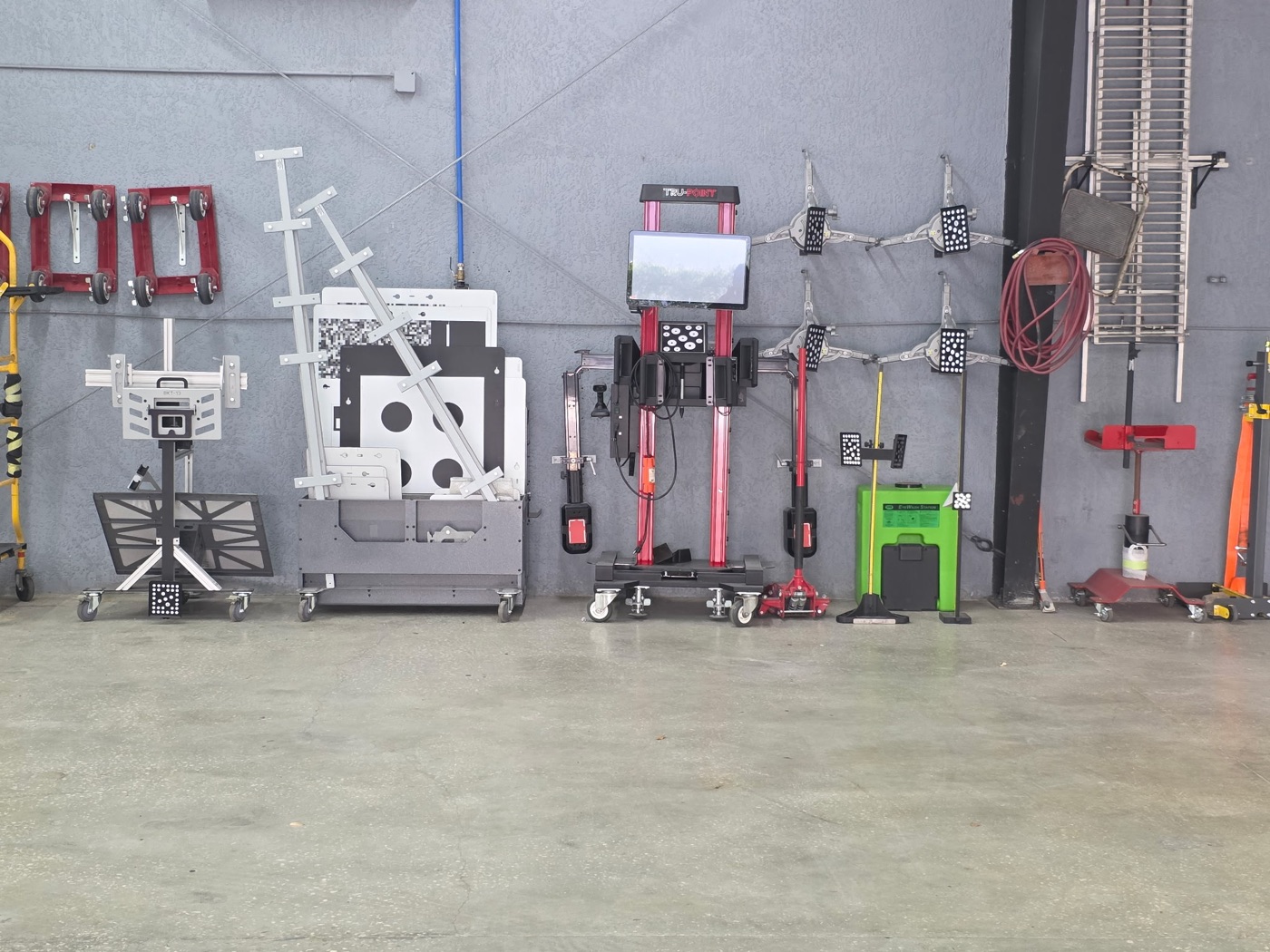
We treat recalibrating driver-assist sensors as a required step, not an afterthought. Some systems need a static calibration in a controlled bay, some need a dynamic calibration on the road, and some need both, which is why this stage can add time. For a fuller explanation of the process, see our guide on what ADAS calibration is and why it matters.
A Few Honest Rules of Thumb
- Light cosmetic work, like a single bolt-on panel or a bumper cover, tends to move quickly.
- Multi-panel damage, structural repair, and jobs that need calibration take longer because more stages are involved.
- Parts drive everything. When the right part is in stock, the job flows; when it is backordered, the timeline waits with it.
- Doing the repair to manufacturer specification the first time is what protects the outcome, and repairs done to factory procedure with the correct parts also help protect your factory warranty.
We would rather give you a car that is genuinely restored than a fast handoff that leaves a safety system out of spec.
Get a Straight Answer on Your Repair
The best way to know how long your repair will take is to have it looked at properly. Bring your vehicle to Collision Center Orlando at 6958 Venture Circle and we will scope the damage, walk you through the stages, and give you an honest timeline. Call (321) 972-1549 or start your estimate online to begin.